


Hledání
Search result:
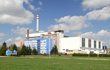
Site: Nuclear installation RAW Processing and Treatment Technology in Jaslovské Bohunice Nuclear installation Final Processing of Liquid RAW in Mochovce References: Slovenské elektrárne, a.
(Radioactive and institutional radioactive waste transport) Solid or solidified RAW Fibre-concrete containers Institutional RAW and captured radioactive materials Transport is performed within the European Union,including services related to radiation and nuclear safety.
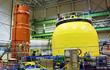
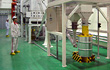
Bohunice RAW Treatment Center Sorting of RAW Thermal Treatment (Incineration) High Force Compacting Cementation Other Treatment Technologies Technologies for separation, fragmentation and ...
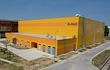
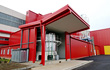
The RAW incineration facility PS45 is located at Jaslovské Bohunice site as a part of the Facility for Treatment and Conditioning of RAW in the premises of the existing building 809.
Types of Radioactive Waste Different types of waste are generated during operation and decommissioning of nuclear facilities - from normal municipal waste to very low level, low level, intermediate level and high level radioactive waste (RAW) in solid, liquid and gaseous form.
There exist many illimitably important segments, which commonly work with radioactivity and radioactive materials. We speak about nuclear power engineering, industry, research, health care and number of others.
To provide sufficient storage capacities there are the certified storages built in Jaslovské Bohunice.
The Reactor unit of a power plant is usually operated for extended time periods at full power. Once a year, a shutdown of the reactor unit is scheduled for refueling, inspections and maintenance. The energy contained in nuclear fuel is spent gradually.
Nuclear safety is the basic requirement for the operation of every nuclear power plant. It is a collection of all technical and organizational measures, which have to secure that fission process of the atoms’ nuclei, which releases radioactivity, stays, under all circumstances, under human control.